The Evolution of the Slot: From Mechanical Reels to Digital Innovation
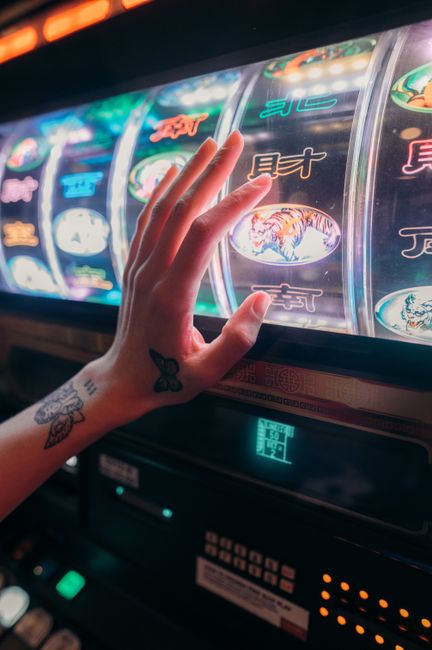
The Origins of the Slot Machine
The term slot originally referred to a narrow opening or groove, but its most iconic association today is with the gaming machine that has captivated players for over a century. The first mechanical slot machine, the Liberty Bell, was invented by Charles August Fey in 1895 in San Francisco. This device featured three spinning reels and five symbols: horseshoes, diamonds, spades, hearts, and a cracked Liberty Bell—which gave the machine its name. Players would insert a coin and pull a lever, setting the reels in motion. A winning combination of three Liberty Bells paid out the highest prize. This simple yet revolutionary concept laid the foundation for an industry that now generates billions of dollars annually. The design was so successful that it spawned countless imitations, and by the early 20th century, slot machines were ubiquitous in bars, saloons, and casinos across the United States.
Mechanics and Randomness
At the heart of every slot machine lies a mechanism designed to produce random outcomes. In early mechanical models, each reel had a set number of stops, and the likelihood of any particular symbol appearing was determined by the physical placement of these stops. Players could sometimes predict—or even manipulate—outcomes through timing or tool use, prompting manufacturers to introduce more complex gearing and later, electronic components. Modern digital slots use a random number generator (RNG), a computer algorithm that continuously cycles through thousands of numbers per second. When a player presses the spin button, the RNG selects a set of numbers that correspond to specific positions on the virtual reels. This ensures that every spin is independent and unpredictable, a key feature that underpins both the fairness and the excitement of the game. The introduction of microprocessors in the 1980s allowed for more sophisticated paytables, multiple paylines, and bonus features, transforming the slot from a simple mechanical diversion into a dynamic digital experience.
Cultural and Economic Impact
Slots have evolved far beyond their original coin-operated cabinets to become a dominant force in both land-based and online gambling. In Las Vegas, slot machines account for approximately 70% of casino revenue, generating billions of dollars each year. Their appeal crosses demographic boundaries: players are drawn to the bright lights, engaging sound effects, and the potential for large jackpots. The psychological design of modern slots is meticulously engineered. Features such as near-misses, loss disguises (where a loss is presented as a win), and variable reward schedules keep players engaged by leveraging the brain's natural response to intermittent reinforcement. Critics argue that this design can lead to addictive behaviors, as the rapid pace and sensory feedback create a trance-like state in some individuals. Nonetheless, the industry continues to innovate, introducing skill-based elements, virtual reality interfaces, and themed content tied to popular movies, TV shows, and video games. The cultural footprint of the slot is undeniable; it has been featured in countless films, novels, and songs, and the phrase 'one-armed bandit' remains a part of everyday language.
From Mechanical to Digital: The Modern Slot
The transition from physical reels to digital screens opened a new frontier for slot design. Video slots, which first appeared in the 1970s and 1980s, replaced mechanical reels with animated graphics displayed on a monitor. This shift allowed for an unrestricted number of ways to win—some modern slots feature 1,024 or even 10,000 paylines. Progressive jackpots, which pool a small percentage of each wager into a single, ever-growing prize, have created millionaires from a single spin. Most recently, the rise of mobile technology and HTML5 coding has made it possible to play slots on smartphones and tablets, ensuring that the experience is portable and accessible 24/7. Online casinos now offer thousands of variations, from classic three-reel games to complex multi-screen adventures with intricate storylines. For those interested in exploring a carefully curated collection of both classic and contemporary machines, slot enthusiasts can find unique perspectives and reviews at specialized communities like Far Right Coffee, which host discussions on the cultural and technical aspects of these games.
The Future of the Slot
Looking ahead, the slot machine is poised for further transformation. Virtual reality (VR) and augmented reality (AR) are beginning to merge with slot gameplay, creating immersive environments where players feel as if they are physically inside a casino or a fantasy world. Blockchain technology is also entering the space, offering provably fair games and cryptocurrency betting options that appeal to tech-savvy users. Meanwhile, regulators worldwide are grappling with how to address the potential harms of slot addiction, leading to mandatory responsible gaming features such as deposit limits, reality checks, and self-exclusion tools. Despite these challenges, the fundamental appeal of the slot remains unchanged: it is a game of chance that offers the thrill of possibility with minimal effort. Whether you are pulling a lever on a vintage machine in a Reno casino or tapping a screen on a mobile device, the core experience—anticipation, spin, outcome—continues to resonate. As technology advances, the definition of a slot may broaden, but its essence as a device of random reward and entertainment will likely endure for generations to come.